 |
 |
|||||||
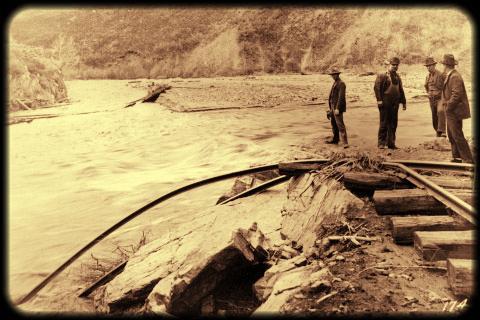
History of the Platter River and Denver's DevelopmentBy: Tyler Kilgore GEOG 5335 University of Colorado Denver, 2012 The area surrounding the South Platte River and Cherry Creek was originally where the Arapahoe tribe would seek shelter during the winter. In 1851 the Fort Laramie treaty split the land and divided the Arapahoe into two tribes. In 1858 Gold was discovered in what would become Auraria and the ensuing gold rush led to conflict between the Arapahoe and the Settlers. The first settlement of Auraria was a mining and supply town along the Cherry Creek. William Larimer platted the city of Denver near Auraria on the east side of Cherry Creek. In 1860 Denver City merged with Auraria after the construction of a bridge across Cherry Creek. In 1863 a large fire destroyed most of downtown which changed building standards to require brick structures. The first railway was finished in 1870 and more railways would soon follow. Union Station was built to connect the railways, it opened in 1881. At the time the economy was dependent mainly on the processing and shipping minerals and livestock from ranches. In 1893 falling silver prices from the removal of a silver standard on currency led to an economic depression. The depression caused many to lose their jobs and hundreds of business closed. Miners from the surrounding area without work flocked to Denver which caused a greater strain on the economy. The railways eventually lowered their fees for transit out of Denver which led to an exodus of people back east. The economy rebounded eventually with growth in livestock, agriculture, and tourism. During and after World War II Denver became a manufacturing hub which led to the expansion into military and technology companies as well as many federal buildings. Today Denver is city with many industries and has expanded to the metro area with a diverse population.
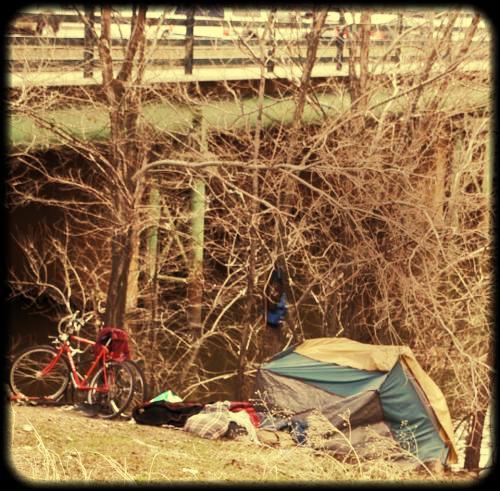
Environmental Equity along the Platte: Homeless Populations and the Platte RiverBy: Tyler Kilgore In the fall of 1893 after the depression from the silver market crash a tent city had been built at Riverfront Park for the homeless. Homeless populations are still present in Denver. The recent rise in homeless populations has been attributed to high job loss and high rental prices. Programs to help the homeless include; Denver's Road Home 10 year plan, Colorado Coalition for the Homeless, Metro Denver Homeless Initiative, Denver Rescue Mission, and the St Francis Center to name a few. These programs offer assistance in the form of food and clothing, medical assistance, employment, as well as temporary and permanent shelter for the homeless. The Road Home program has also managed to change zoning and building codes to help build affordable homing for homeless populations. Denver has also created a 15 million dollar transit-oriented development fund, which allows for the acquisition of property near existing and future transit hubs. Data from the Metro Denver Homeless Initiative indicates that: - In January of 2011 estimates of homeless populations were approximately 11,400* citizens. - 62% of homeless families had children under the age of 18. - Minorities are over represented when compare to the population of Denver. - The majority of the homeless population had been homeless for less than 1 year. - The three most reported reasons for homelessness were unemployment, then housing costs, and family or relationship issues. - 5% of homeless reported sleeping on the street, under a bridge, in an abandoned building, or in a car. Today the South Platte in Denver is on Colorado's 2010 303(d) List of impaired waterbodies for E. coli, arsenic, and cadmium. Homeless people who live near the water are at a greater risk of being exposed to these harmful chemicals.
|
||||||||